
Emergency Commercial Cleanup in Illinois: What You Need to Know


Understanding Emergency Commercial Cleanup
Emergencies can strike at any time, leaving businesses in Illinois facing unexpected challenges. From natural disasters like floods and storms to accidental spills and fires, the need for swift and effective cleanup is critical. This post explores the key aspects of emergency commercial cleanup and why it's essential for businesses to be prepared.
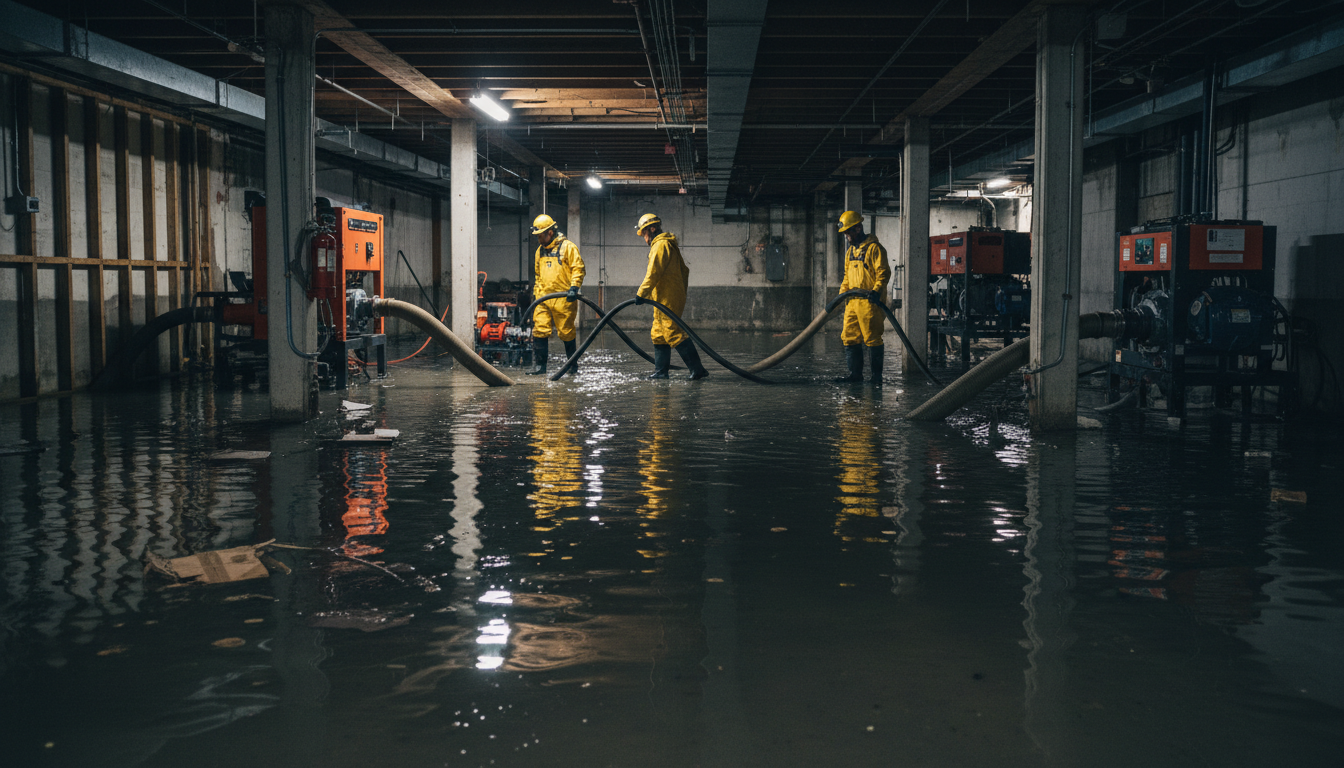
Why Quick Response Matters
Time is of the essence in an emergency situation. Delays in cleanup can lead to further damage, increased costs, and potential health risks. Quick response not only minimizes these risks but also helps businesses resume operations faster. In Illinois, where weather conditions can be unpredictable, having a reliable cleanup partner is crucial.
Minimizing Health Risks
Emergency situations often involve hazardous materials, including chemicals and contaminated water. These can pose serious health risks to employees and customers if not addressed immediately. Professional cleanup services ensure that all hazards are properly managed and removed, safeguarding everyone's health and safety.
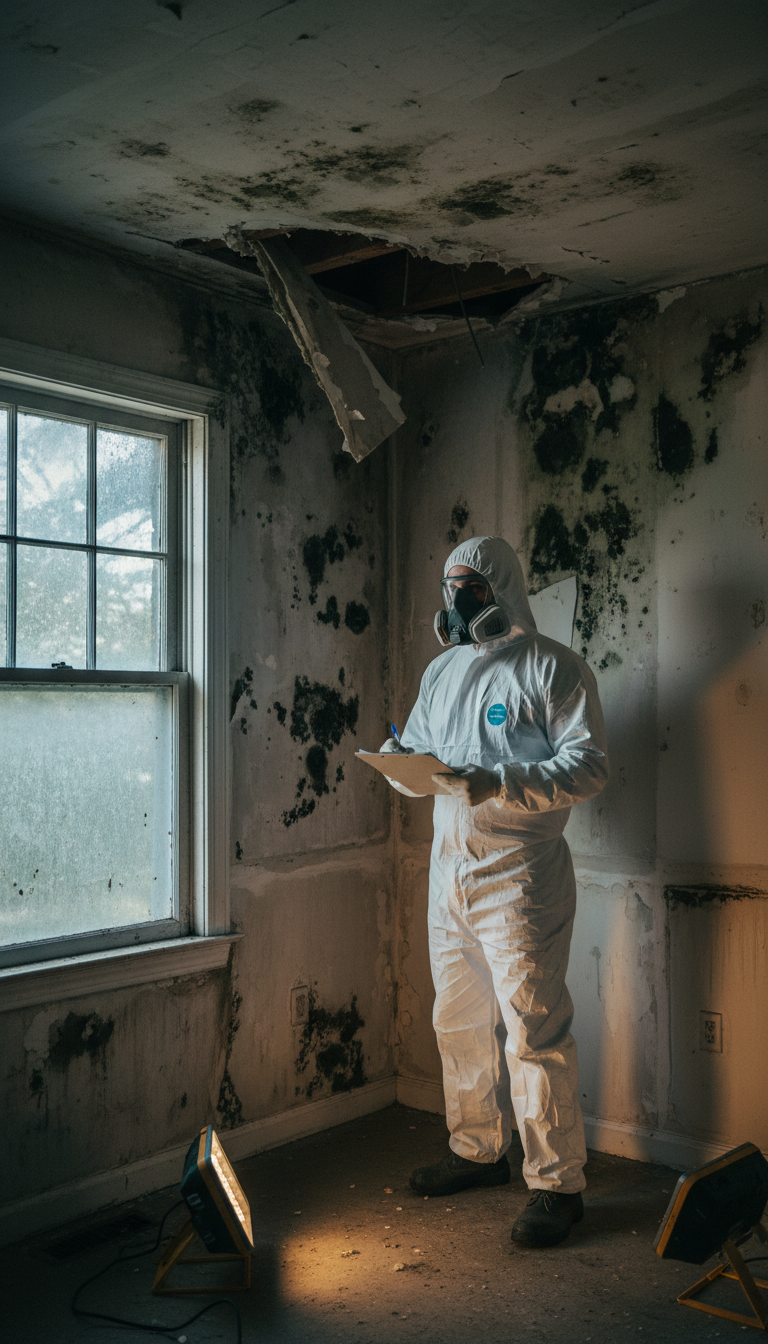
Choosing the Right Cleanup Service
Selecting the right emergency cleanup service is vital. Look for companies with experience in handling various types of emergencies and a proven track record in Illinois. They should offer comprehensive services, including assessment, removal, and restoration. A good service provider will also work closely with insurance companies to streamline claims and reduce out-of-pocket expenses.
Key Qualities to Look For
- 24/7 Availability: Emergencies don’t adhere to a schedule, so choose a service that's available around the clock.
- Expertise: Certified professionals with experience in commercial cleanup are essential.
- Advanced Equipment: Ensure they use the latest technology for efficient cleanup and restoration.
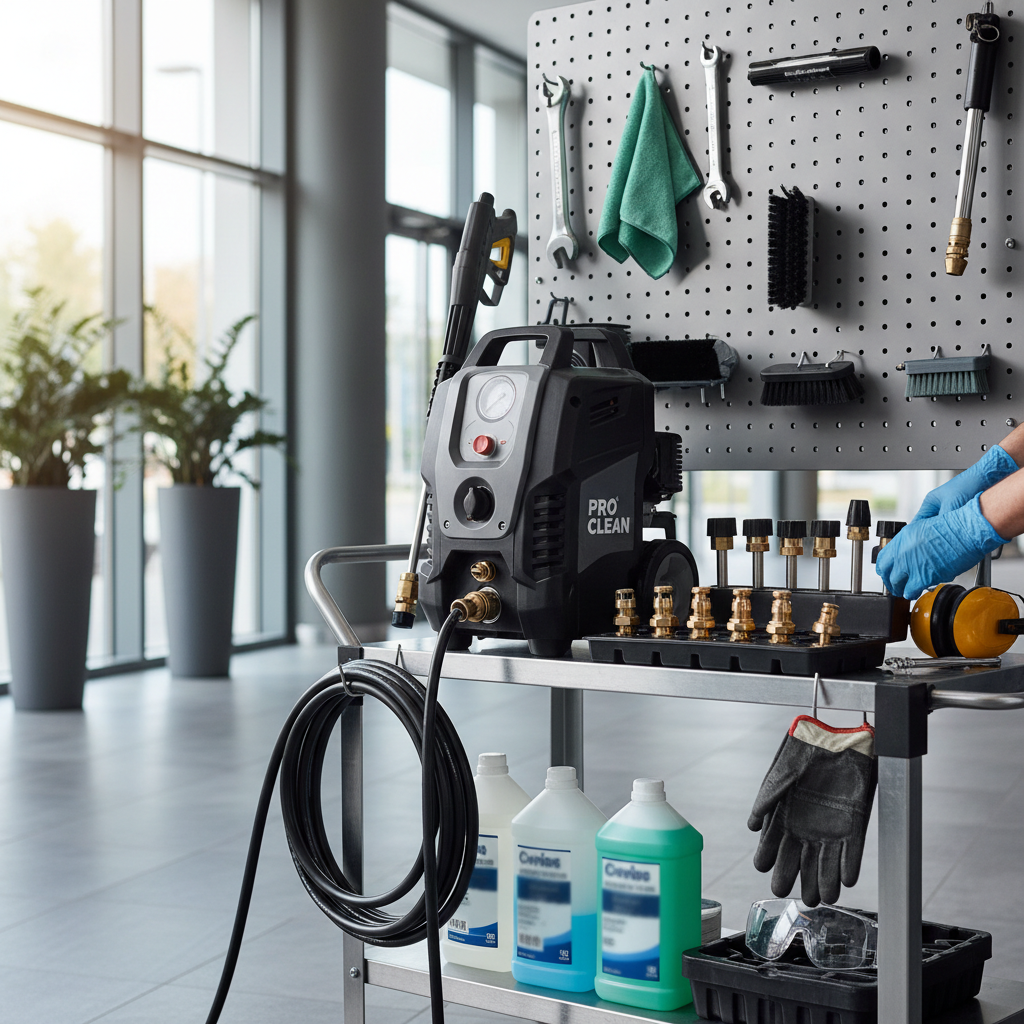
Understanding the Cleanup Process
The emergency cleanup process typically involves several stages, starting with an assessment of the damage. This is followed by the removal of debris, water extraction, drying, and decontamination. Finally, restoration efforts bring the business back to its original state. Understanding these stages can help business owners manage expectations and plan accordingly.
Post-Cleanup Considerations
After the emergency cleanup, it's essential to review and update emergency response plans. This might include training staff on emergency procedures and ensuring that all safety equipment is up to date. Businesses should also consider regular maintenance checks to prevent future incidents and ensure that all systems are functioning correctly.
In conclusion, emergency commercial cleanup is a critical aspect of business continuity in Illinois. By understanding the process and choosing the right service, businesses can protect their assets, ensure safety, and minimize downtime. Being prepared not only safeguards your business but also provides peace of mind in unpredictable situations.